Designing the Perfect Wedding Reception Flow
The invisible architecture of a great reception — how to pace your evening so every moment feels intentional, from cocktail hour to the last dance.
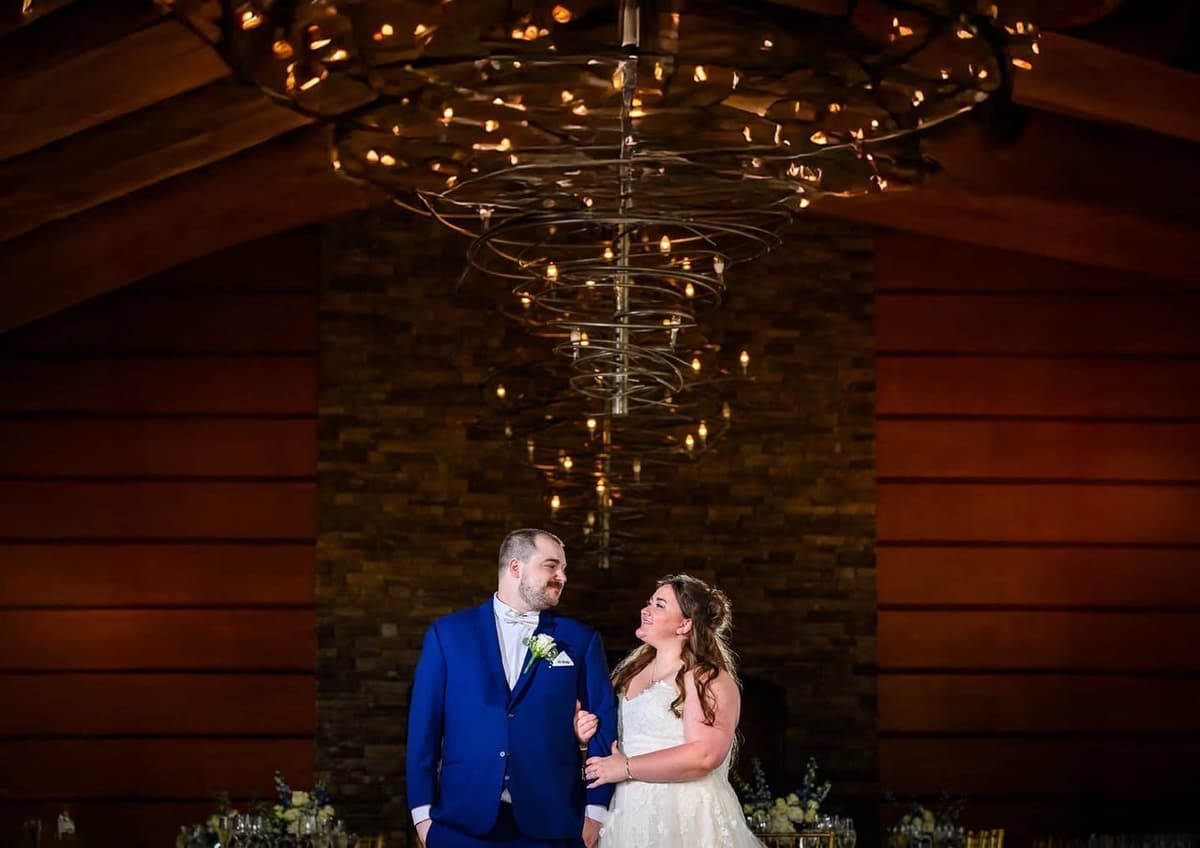
A great reception feels effortless to guests — because every transition was planned with precision.
Why Reception Flow Matters More Than Any Single Element
You can have the most beautiful venue, the best food, the most talented entertainment — and still have a reception that feels disjointed if the flow isn't right. Reception flow is the invisible architecture of your evening: how each phase transitions into the next, how energy builds and releases, how guests move through spaces and experiences. The best receptions feel like a story being told — with a beginning that welcomes, a middle that celebrates, and an ending that leaves everyone wanting just a little more. This doesn't happen by accident. It happens by design.
Cocktail Hour: Setting the Tone (60 Minutes)
The cocktail hour serves three critical functions: it gives your couple time for portraits, it allows guests to decompress from the ceremony, and it sets the emotional tone for the evening ahead. The energy should be warm, social, and elegant — background music that facilitates conversation, passed appetizers that encourage mingling, and a bar setup that prevents long lines. The biggest mistake couples make with cocktail hour? Making it too long. After 75 minutes, energy starts to dip. After 90 minutes, guests become restless. Sixty minutes is the sweet spot — enough time for photos and socializing, short enough to maintain momentum heading into the reception.
Grand Entrance to First Dance (15–20 Minutes)
The transition from cocktail hour to reception is the most critical energy shift of the evening. It's the moment when scattered social energy coalesces into collective excitement. The grand entrance should feel like a curtain rising — the room is ready, guests are seated, and the wedding party's arrival creates the first shared emotional peak of the reception. Follow it immediately with the first dance while that energy is at its height. Waiting until later in the evening for the first dance is one of the most common reception-flow mistakes — it interrupts the dance party and deflates momentum at the exact moment you want it building.
Dinner Service and Toasts (75–90 Minutes)
Dinner is both a practical necessity and a pacing tool. Plated service typically takes 75–90 minutes including courses. Buffet service can be faster but creates movement that disrupts the room's settled energy. The key to keeping dinner dynamic is strategic toast placement. Rather than grouping all toasts before or after dinner, interweave them between courses — a best man's toast between appetizer and entrée, a maid of honor's toast between entrée and dessert. This pacing keeps guests engaged, gives the kitchen natural break points, and prevents the dreaded '15 minutes of speeches' that makes guests reach for their phones.
The Dance Floor Arc (2–3 Hours)
The dance floor portion of a reception has its own internal architecture. It begins with parent dances and transitions into open dancing — starting with universally accessible songs that get multiple generations on the floor. The first 30 minutes establish that dancing is happening and that it's fun. The next hour builds energy progressively. Then comes the peak — the 30–45 minute window of maximum intensity where the dance floor is packed and the energy is electric. Smart entertainment teams know exactly how to build toward this peak and sustain it. The final 15–20 minutes bring the energy down gracefully, leading to the last dance — a final shared moment before the evening closes.
Common Flow Mistakes to Avoid
Scheduling the bouquet toss and garter removal during peak dance time — it clears the floor and kills momentum. Cutting cake during a high-energy moment — do it during a natural transition. Over-scheduling special dances — more than three choreographed dances in a row turns the reception into a performance that excludes guests. Allowing unlimited toast time — set gentle limits and brief your speakers in advance. And the biggest mistake of all: not having a clear timeline. When the couple, venue coordinator, and entertainment team are all working from the same minute-by-minute plan, the evening flows like it was choreographed. Because it was.
Want to design a reception flow that keeps your guests engaged all night? Let's plan together.
Check Availability