Planning a Multi-Cultural Wedding in New Jersey
Blending traditions, honoring heritage, and creating celebrations that reflect the beautiful complexity of two families becoming one.
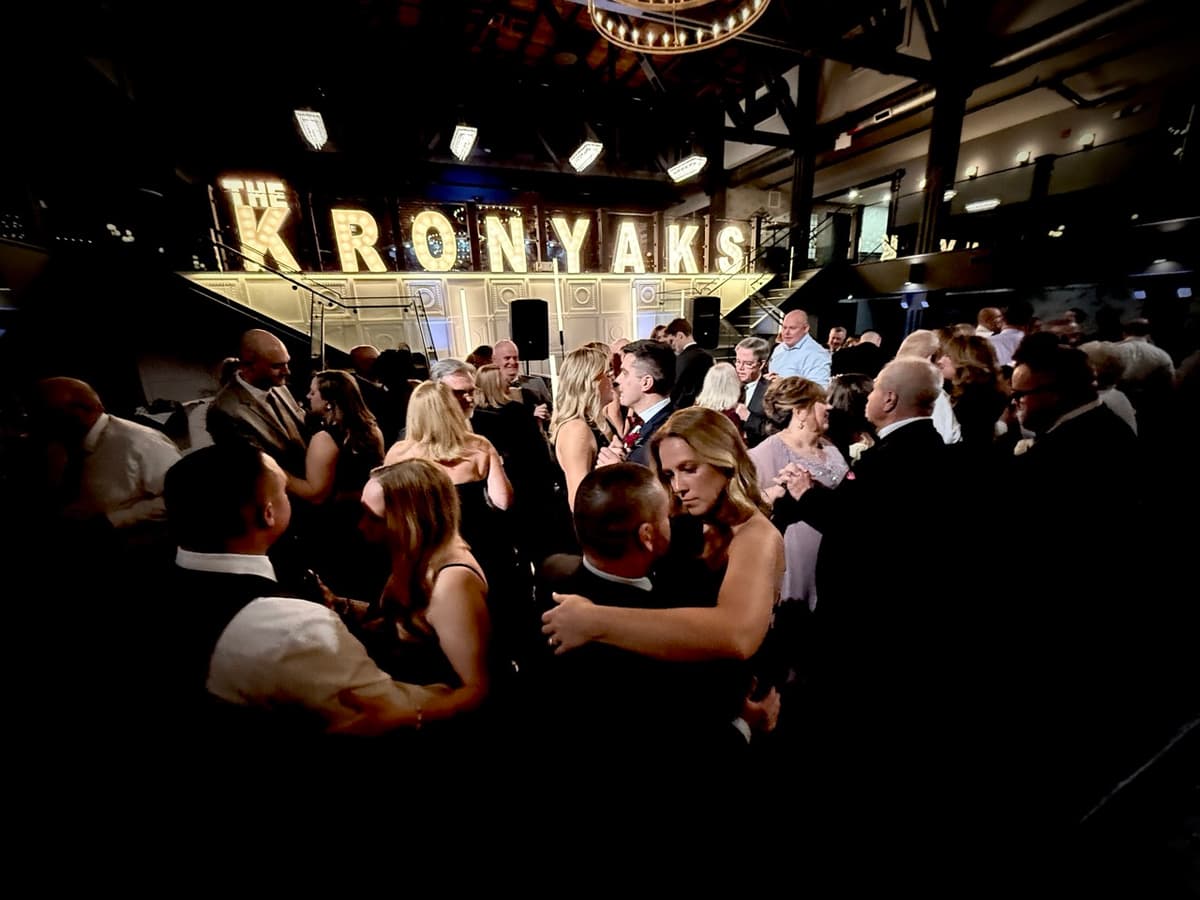
The most beautiful weddings celebrate not just two people, but the richness of the worlds they come from.
New Jersey: A Natural Home for Multi-Cultural Celebrations
New Jersey is one of the most ethnically and culturally diverse states in America — and its wedding industry reflects that reality. Indian-American weddings, Korean-American celebrations, Jewish-Catholic interfaith ceremonies, Nigerian-American receptions, Latin American traditions blended with European customs — NJ's wedding professionals have experience with a breadth of cultural traditions that few other markets can match. This diversity is an asset, not a complication. Multi-cultural weddings are consistently among the most vibrant, emotionally rich, and memorable celebrations — because they draw from deeper wells of tradition, meaning, and family heritage than any single cultural template can offer.
Starting the Conversation Early
The most important step in planning a multi-cultural wedding happens before any vendor is contacted: the conversation between the couple and their families about which traditions are essential, which are meaningful but flexible, and which can be gracefully set aside. This conversation requires sensitivity, patience, and genuine curiosity about each other's heritage. Some elements may be non-negotiable — a Hindu ceremony's sacred fire, a Jewish chuppah, a Korean paebaek, a Nigerian money spray. Others may be more about the feeling than the specific ritual. The goal isn't to create an exhaustive checklist of every tradition from both cultures — it's to identify the moments that carry the deepest meaning and build a celebration around them.
Ceremony Design: Honoring Both Traditions
Multi-cultural ceremonies range from fully separate ceremonies (a religious ceremony in one tradition followed by a civil or different religious ceremony) to beautifully blended ceremonies that weave elements from both cultures into a single service. An interfaith officiant experienced with your specific cultural combination is invaluable — they understand how to create transitions between traditions that feel natural rather than jarring. Music plays a crucial role in signaling cultural transitions: classical Indian instrumentation for one portion, a string quartet for another, traditional hymns, or cultural songs that tell stories of love in their original language. The ceremony is where cultural blending requires the most thoughtfulness, because these moments carry profound spiritual and emotional weight.
Reception: Where Cultures Celebrate Together
The reception is where multi-cultural weddings truly shine. This is where the joyful, celebratory aspects of both cultures can coexist without the formal structure of a ceremony. A cocktail hour featuring appetizers from both cultures. A dinner menu that tells a culinary story — perhaps one course reflecting each family's heritage. Music that moves between genres, languages, and cultural traditions, keeping the energy high while honoring the diversity in the room. Dance traditions from both cultures — a hora, a bhangra, a tarantella, a salsa — create peak moments that bring everyone together regardless of background. The best multi-cultural receptions feel less like two separate celebrations merged and more like a unique, new celebration that could only exist because these two specific families came together.
Vendor Selection: Experience Matters
For multi-cultural weddings, vendor experience with your specific cultural combination is more important than general wedding experience. Your caterer should understand dietary requirements across both traditions — kosher, halal, vegetarian, specific spice profiles. Your entertainment team should be fluent in the musical traditions of both cultures, understanding not just the songs but the cultural significance of specific musical moments. Your photographer should know the key moments in both ceremonies — what to anticipate, where to position, and what the family will want captured. Ask potential vendors directly: have you worked with our specific cultural combination before? What did you learn? What would you do differently? Their answers will tell you everything.
The Gift of Complexity
Planning a multi-cultural wedding is more complex than a single-tradition celebration. There are more stakeholders, more logistics, more moments to choreograph, and more opportunities for miscommunication. But this complexity is also the gift. When you successfully blend two cultural traditions into a single, cohesive celebration, you create something that didn't exist before — a new tradition, born from the union of two families and two worlds. Guests leave having experienced something they've never seen, tasted foods from unfamiliar traditions, heard music in languages they don't speak, and witnessed rituals from cultures they may not know — and they leave richer for it. That's the power and the beauty of a multi-cultural wedding done well.
Planning a multi-cultural celebration? We bring experience with diverse traditions and the flexibility to make every moment authentic.
Check Availability